Contains affiliate links; commissions may be earned.
As an Amazon Associate I earn from qualifying purchases.
Disclosure
Total Time:
15 minutes mins
Yields:
17 fl oz
Recipe
Video
Rate/Comment
This is a simple, budget friendly cabbage juice recipe you can make in under 15 minutes with a juicer or a blender. It’s a gentle natural option many people use alongside their overall care plan for ulcers or gastritis. Below I’ll show you both ways, how to make it taste better, when to drink, and what the research says.
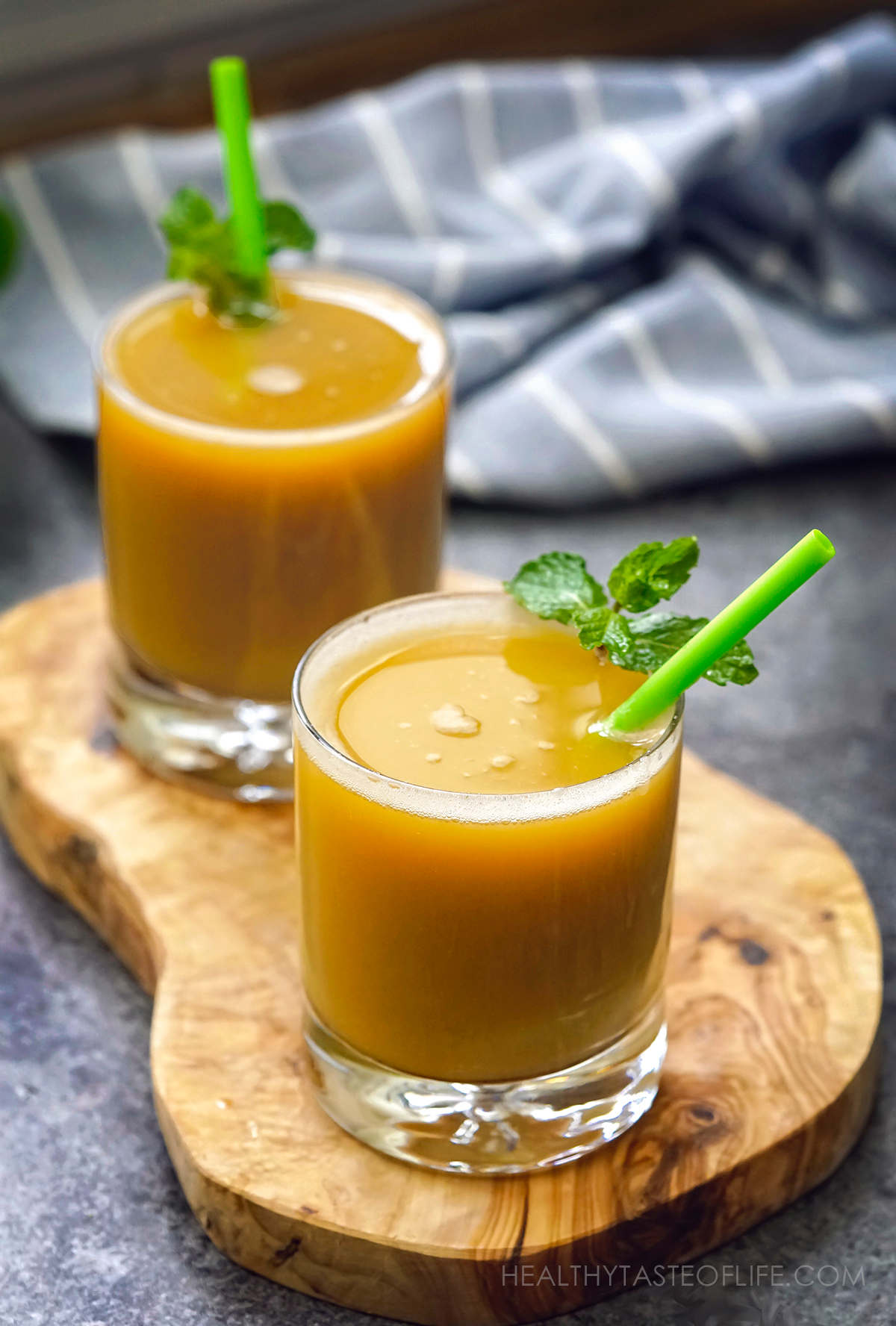
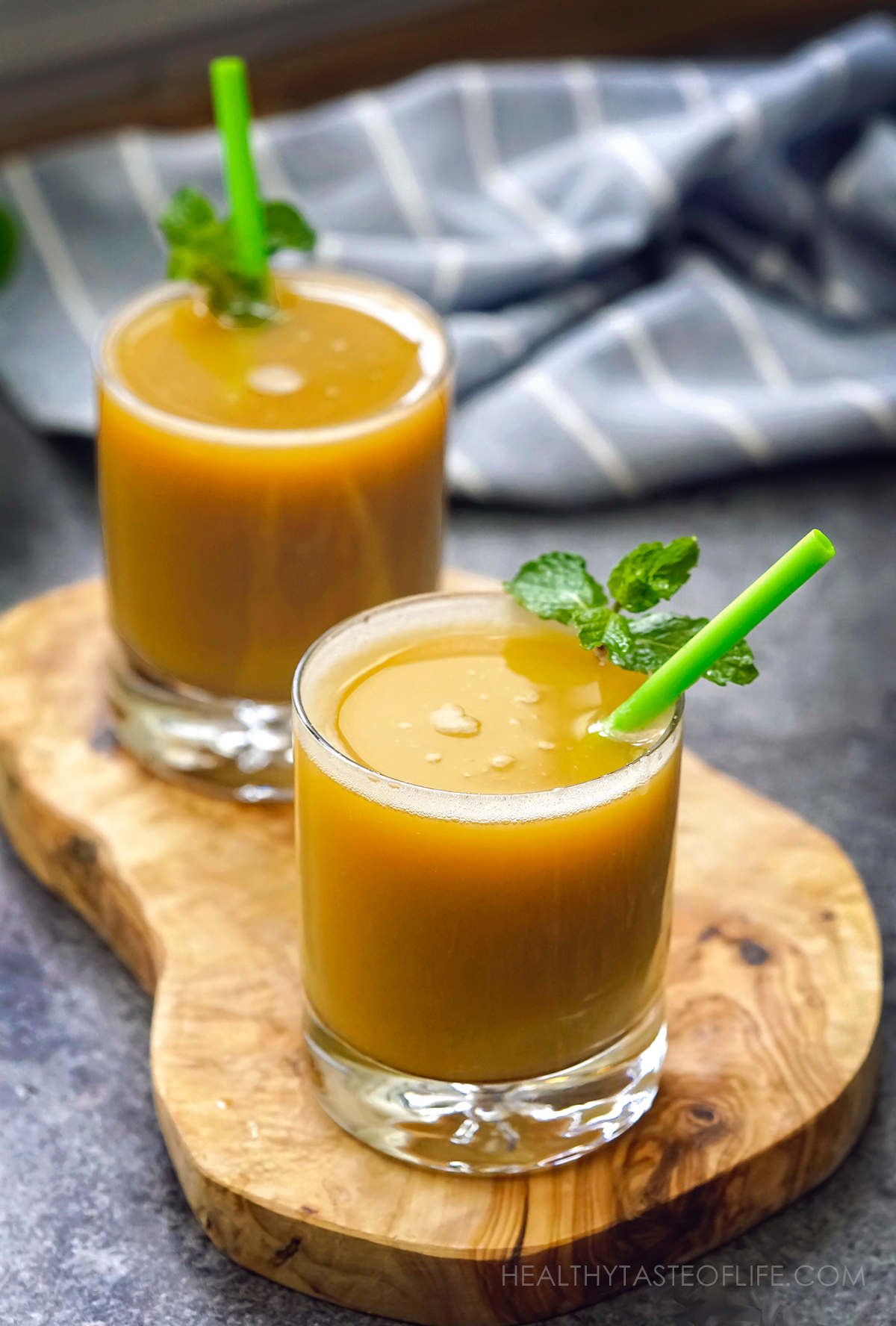
Fresh cabbage juice ready to be served.
Note: Educational only; not medical advice. Use alongside your overall care plan.
Jump To ⬇
- Quick Look: What The Research Says
- Ingredients
- Juicer Instructions (Step-by-Step)
- Juicing With A Blender (No Juicer)
- Video: How to Juice Cabbage Two Ways – Blender & Juicer
- How to Make Cabbage Juice (Blender or Juicer)
- Which Juicer Works Best for Cabbage?
- How Much & When to Drink
- Other Potential Benefits Of Cabbage Juice
- Cabbage Juicing: Red or Green?
- FAQs
- More Juice Recipes & Healthy Drinks
When my own stomach felt sensitive years ago, I started making fresh cabbage juice as a gentle, food support option as part of my broader integrative care plan.
Since the cabbage juice has a bland/pungent taste, balancing it with extra vegetable juice gives it a better taste and nutritional value. So for this cabbage juice recipe I keep the base to fresh green cabbage, then opted for easy add-ins (carrot juice, a bit of apple or celery juice) to soften the taste. If you’re working on gentle gut support, you might also like my fermented red cabbage (sauerkraut): a naturally tangy, probiotic-rich cabbage recipe.
Quick Look: What The Research Says
- Older human studies (1940s–50s) reported faster healing of peptic ulcers with raw cabbage juice, likely related to compounds historically named “vitamin U” (S-methylmethionine).
- Animal & lab studies show cabbage extracts help protect the stomach/intestinal lining, likely via antioxidants (anthocyanins, polyphenols) and support of mucosal defenses.
- Crucifers (like cabbage) are nutrient-dense (vitamin C, K, fiber) and it fits well in a gentle, real-food approach. See my anti-inflammatory foods guide for the bigger picture.
- Even though high quality trials are limited, I treat cabbage juice as a supportive food, not a stand alone fix. You also need to look at meals, stress, sleep, and gentle movement. Here’s how I build a balanced plate day to day.
Ingredients
- Head of cabbage – (about 60% of the juice). Use a half of a medium sized green or red cabbage. Green tastes milder; red brings deeper color and extra pigments. A heavier head usually yields more juice. To use up the rest of the head of cabbage make these cabbage fritters, they are fantastic.
- Celery (about 20 – 30%). Adds hydration and softens cabbage’s bite. Preclinical research in rats has suggested celery extracts may help protect gastric mucosa.
- Carrots (about 15 – 20%). Adds gentle sweetness and color. Animal data indicate potential ulcer preventive effects and cytoprotective effects for carrot components.
- Apple (optional, ≤10%), but if you add it, use as taste improver. Apple polyphenols have been shown to modulate gut microbiota in adults.
- Mint leaves (optional, a few leaves) they were also found to have effective activity against gastric ulcers. And I’m using mint here for taste improvement as well. It’s totally optional though. I just had some mint leftovers after making my lemon ginger and cucumber water.
Note: Heads-up if you have reflux/GERD: peppermint can relax the lower esophageal sphincter and may worsen reflux in some people.
See all measurements in the recipe card:
Jump to Recipe ↓
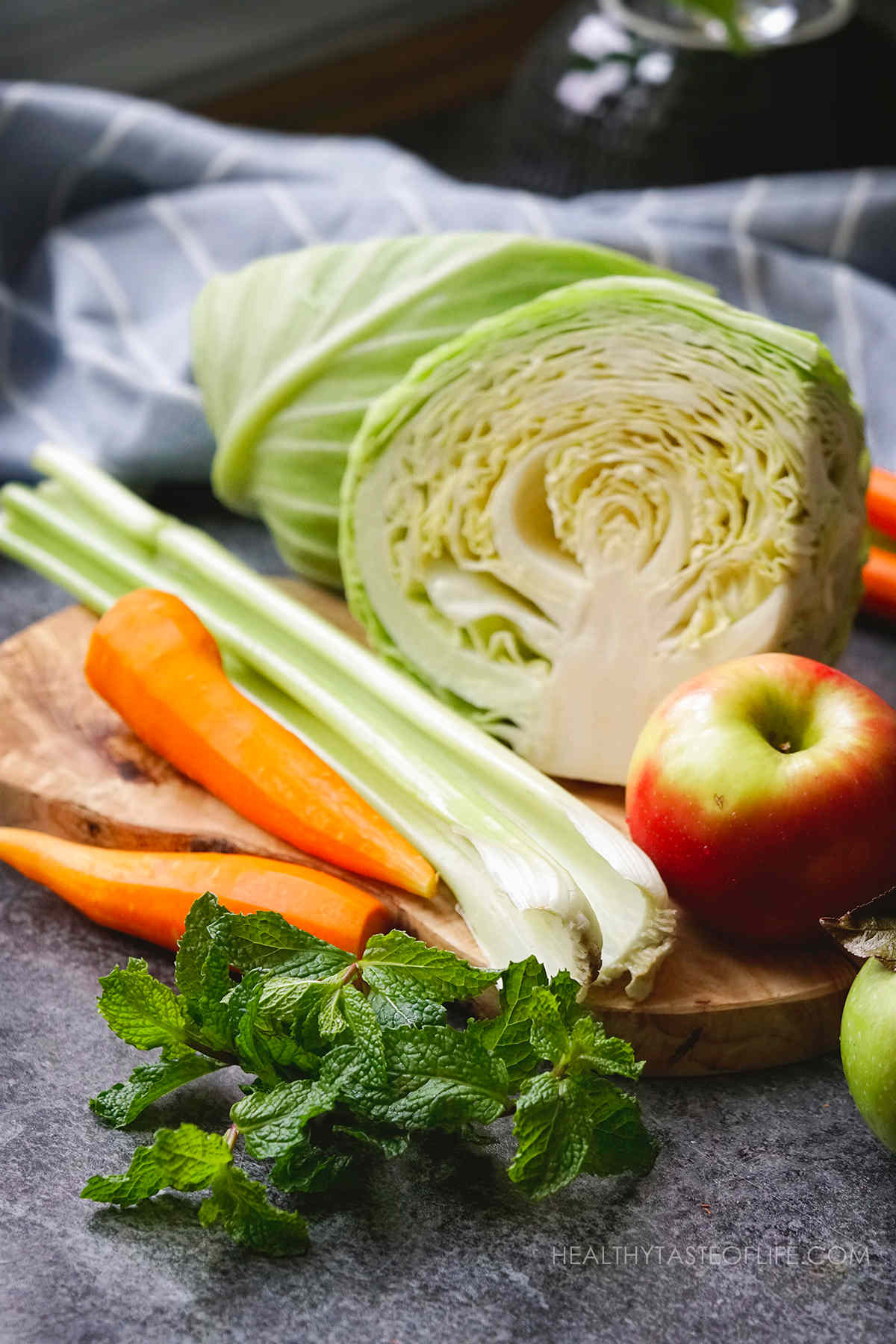
Ingredients prepared for juicing: cabbage, carrots, apple, celery and mint
Juicer Instructions (Step-by-Step)
To make cabbage juice, you should use the whole cabbage including the dense middle of the cabbage head. The flavor of cabbage juice is mild with a slight bitterness, so it’s ideal to blend with other vegetable or fruits to improve it’s taste.
For juicing cabbage, a slow (masticating/cold-press) juicer works well: lower speed = less foam and air, a smoother taste, and juice that holds up a bit better if you chill it.
Step 1. Prepare the cabbage and the rest of ingredients:
- Wash well (cabbage, carrots, celery, apple), leave the carrots unpeeled if you’re using organic, the skin contains concentrated vitamin C and niacin. You can peel them if you’re using conventional carrots. The concentration of pesticides is higher in the peel.
- Chop everything to a size that fits the feeder tube.
Step 2. Juicing:
- Run cabbage through the juicer. For a softer flavor, alternate cabbage with celery and carrot. Finish with a small piece of apple, and optionally add mint or lemon.
Best to serve fresh within 30 minutes. Stir, taste, and pour. Or chill up to 24 hours in a lidded jar.
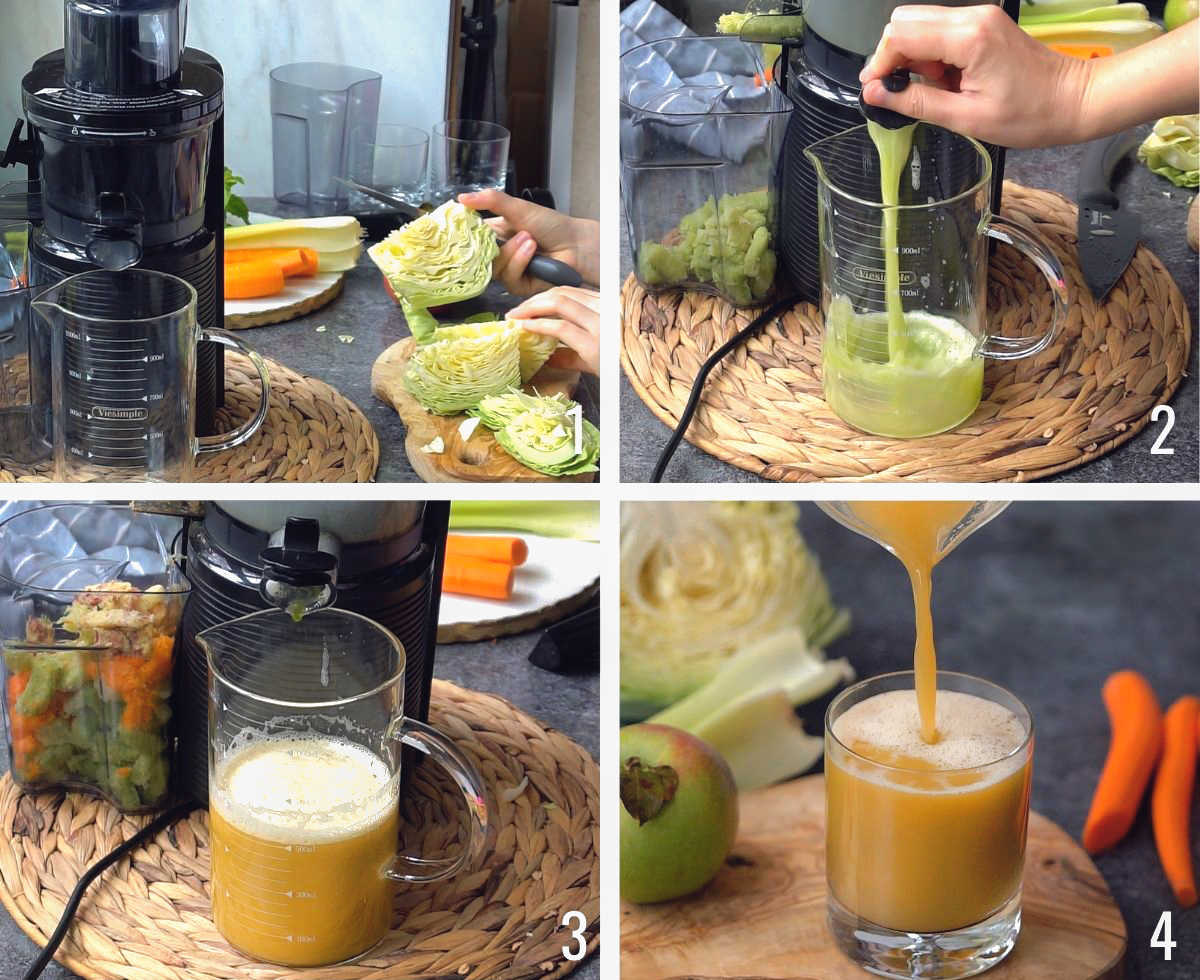
Step by step:
How to make cabbage juice with a juicer.
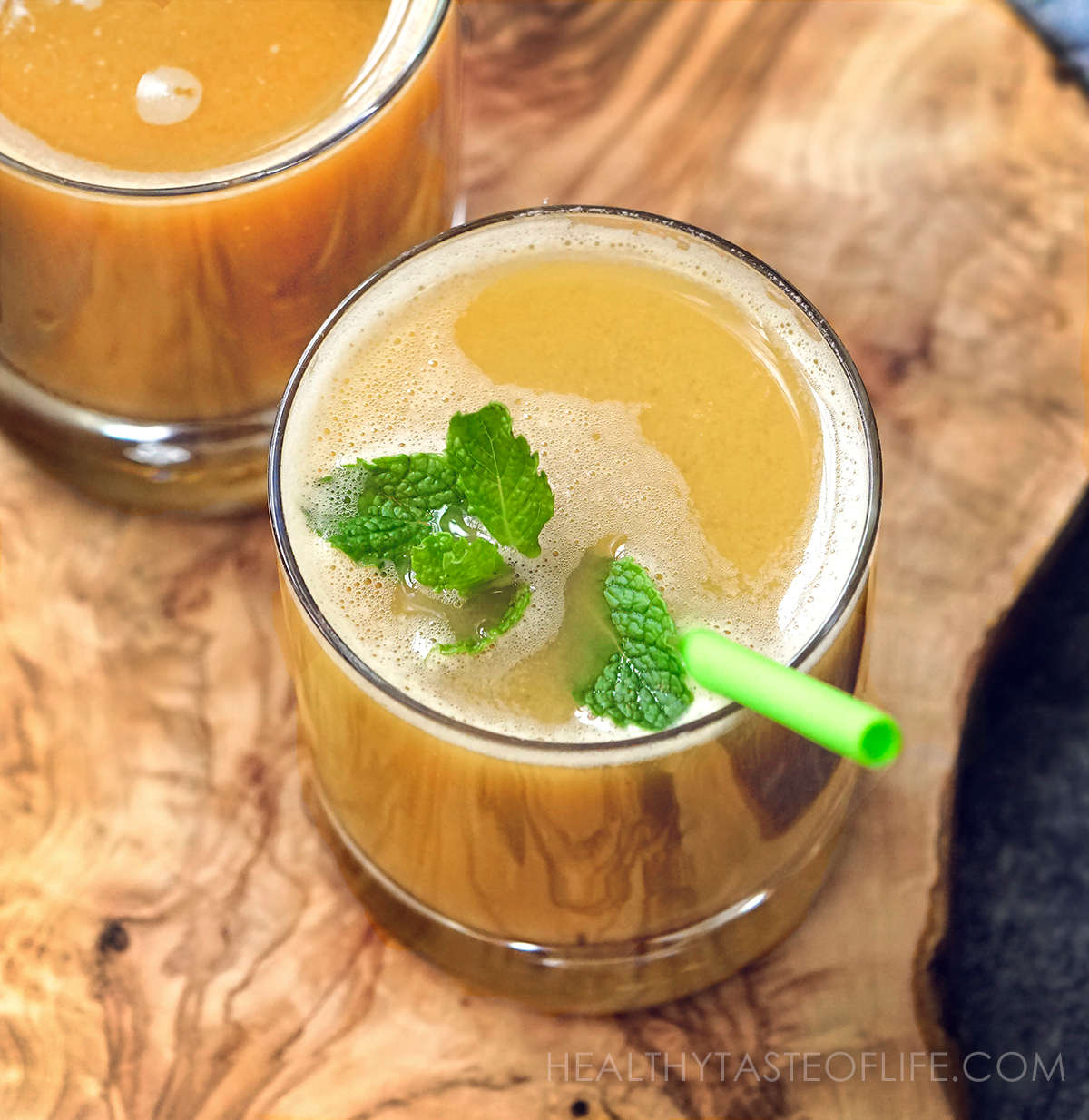
Fresh green cabbage juice made with a blender and a juicer (bottom).
Juicing With A Blender (No Juicer)
For those who don’t want to make a commitment to buying a juicer, you can make cabbage juice with a blender. I use my Ninja blender, because I prefer a glass pitcher not plastic, a nut milk bag and a tall container.
Step 1. Prepare The Ingredients:
Prepare your ingredients (wash and peel if necessary, cut into smaller chunks, about 1-2 inches);
Step 2. Load the Blender:
Place chopped cabbage in a blender and add a touch of water (you don’t need much, pour gradually just enough to help blending) and blend on high for 30 seconds. Tip: for easier blending add only half of ingredients with water, and once those are transformed into a liquid paste, you can add the rest and blend again until everything is homogeneous.
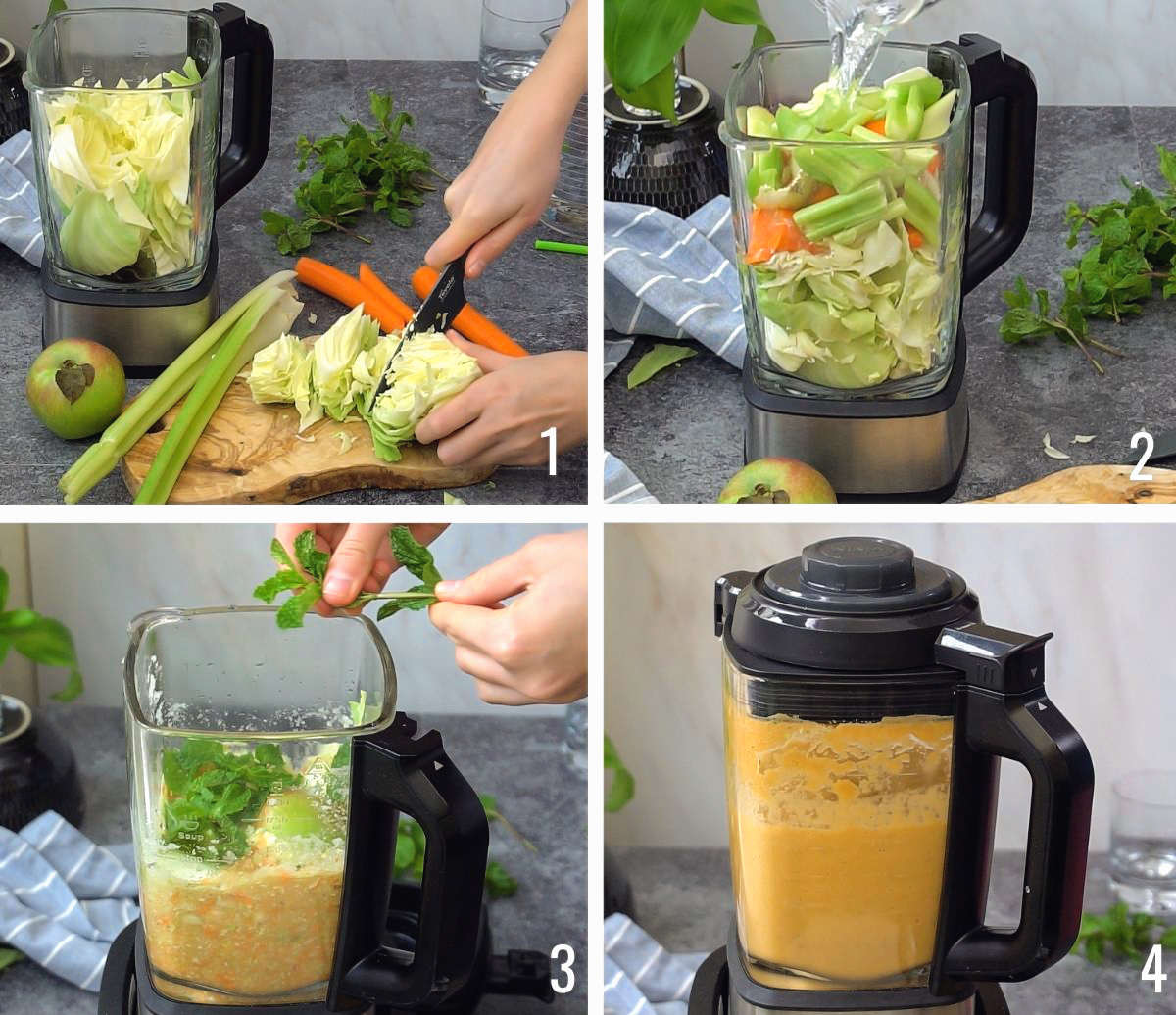
Step by step: How to make cabbage juice in a blender.
Step 3. Strain:
Strain through a mesh bag / nut milk bag and squeeze as much juice with your hands in a clean container. Don’t use a regular metal strainer you’re going to waste a lot of cabbage juice.
Step 4. Discard the pulp, pour into glasses:
Drink the juice immediately. Cabbage juice is best consumed within 30 minutes because it starts to lose its nutritional value quickly due to the oxidation process, which can degrade the enzymes, vitamins, and other beneficial compounds present in the juice, making it less effective and altering its flavor. Or refrigerate up to 24 hours. Shake before serving (natural separation is normal).

How to squeeze the cabbage juice made in a blender.
Video: How to Juice Cabbage Two Ways – Blender & Juicer

How to Make Cabbage Juice (Blender or Juicer)
A simple, budget-friendly cabbage juice recipe you can make with a juicer or a blender. Mild, fresh, and ready in minutes, plus easy flavor add-ins to mellow the pungent bite. Use it as a supportive food alongside your overall care plan when your stomach needs help.
Cook Mode
Prevent your screen from going dark
Prep Time
10 minutes mins
Juicing Time
5 minutes mins
Total Time
15 minutes mins
Course:
Drinks, Juices
Cuisine:
Clean Eating, Sugar Free, Vegan, whole30
Servings:
17 fl oz
Calories:
154kcal
Author:
Olga Caz
Pin Recipe
Save Saved!
Ingredients 1x 2x 3x
- ½ head of medium cabbage – green or red cabbage (use the core as well).
- 2-3 large celery stalks
- 2 medium carrots
- 1 medium apple – optional to improve taste
- 3-4 stems of fresh mint – optional to improve taste
Instructions
Blender Method (No Juicer)
- Prepare your ingredients (wash and peel if necessary, cut into smaller chunks, about 1 inch);
- Blend: Add cabbage + ½ cup water to the blender. Blend, then add the remaining produce. Increase speed to high for 60 seconds until very smooth.
- Pour through a nut-milk bag or very fine mesh strainer; squeeze to extract the juice. Don’t use a regular metal strainer you’re going to waste a lot of cabbage juice. Discard the pulp.
- Serve: Taste and adjust with a little water or lemon. Enjoy right away or chill up to 24 hours in a sealed jar (shake before serving).
Juicer Method
- Prepare the cabbage and the rest of ingredients: wash well (cabbage, carrots, celery, apple), leave the carrots unpeeled if you’re using organic, the skin contains concentrated vitamin C and niacin. You can peel them if you’re using conventional carrots. The concentration of pesticides is higher in the peel.
- Chop everything to a size that fits your masticating juicer and begin juicing, alternating with celery and carrot + apple if using.
- Enjoy the freshly juiced cabbage blend within 30 minutes. If you can’t drink it right away, store in a glass airtight bottle in the fridge up to 24 hours.
What You Need
Video
If you can’t see the video, try to disable your ad-blocker.
Notes
- How much & when: Many people start with ¼–½ cup (60–120 ml) once daily and, if tolerated, go up to ~1 cup (240 ml) x 3 times a day. Choose morning or between meals. If raw crucifers are new to you, start at ¼ cup and dilute 1:1 with water or cucumber, then build slowly.
- Digestibility: Juicing removes most insoluble fiber, which some find easier on sensitive stomachs than raw slaw.
- Equipment: A slow (masticating/cold-press) juicer extracts well from firm veggies and makes less foam.
- Storage: Best fresh. If storing, fill a small airtight jar and refrigerate up to 24 hours. Natural separation is normal, shake before serving.
- Cautions: Keep vitamin-K intake consistent if you take warfarin; consider portions if raw crucifers bother your stomach; skip mint if reflux-sensitive. Check with your health professional as needed.
- Flavor tips: Chill ingredients, dilute with cucumber or water, or add lemon to mellow the taste.
Tried this recipe?Mention @HealthyTasteOfLife or tag #healthytasteoflife!
Nutrition
Serving: 17oz
|
Calories: 154kcal
|
Carbohydrates: 36.78g
|
Protein: 5.19g
|
Fat: 0.77g
|
Sodium: 113mg
|
Potassium: 909mg
|
Fiber: 12.6g
|
Sugar: 21.37g
|
Vitamin A: 111510IU
|
Vitamin C: 112mg
|
Calcium: 188mg
|
Iron: 4.33mg
The information shown is an estimate provided by an online nutrition calculator.
Which Juicer Works Best for Cabbage?
Short answer: a slow (masticating/cold-press) juicer is my go-to for cabbage. It works well with firm, fibrous veggies, makes less foam, and the juice tends to taste smoother and hold up a bit better in the fridge (up to 24 hours).
Why I prefer slow/cold-press for cabbage
- Better extraction from firm + leafy veg. Cabbage and carrots are dense; slow augers usually squeeze more from them than high speed spinners.
- Less foam/oxidation. Gentler speeds mean fewer bubbles and a cleaner flavor.
- Quieter + easy to sip. The texture is typically less frothy, which helps if you’re sensitive.
When a centrifugal juicer is fine
- Speed matters. If you want a quick glass and you’ll drink it right away, a centrifugal model works. It’s fast and often more budget-friendly, just expect more foam and slightly thinner body.
What I use
I’m using an affordable slow juicer with large feed chute and simple parts (no fine mesh basket), so it’s quick to assemble and rinse. You don’t need a pricey machine, choose the design you’ll actually clean and use daily.
How Much & When to Drink
- Start small. There’s no standardized dose. A practical place to begin is ¼–½ cup (60–120 ml) once daily. If well tolerated, some people go up to 1 cup (240 ml) – 3 times a day.
- Timing: Many prefer morning or between meals. Drinking on empty stomach speeds the absorption. Choose what feels best and fits alongside your overall care plan.
- Go slow if sensitive. If raw crucifers bother your stomach, dilute 1:1 with water or cucumber and sip slowly.
- Check with your health professional if needed. If you’re on warfarin (vitamin-K interaction), have thyroid concerns and plan large amounts of raw crucifers, or experience IBS/FODMAP symptoms, personalize with your provider.

Cabbage juice in a glass ready to serve.
Other Potential Benefits Of Cabbage Juice
- Nutrient-dense base. Cabbage is naturally rich in vitamin C and vitamin K, with small amounts of B-vitamins and minerals, one reason it shows up often in gut-friendly, real-food plans.
- Phytonutrients from crucifers. Cabbage (a crucifer) contains glucosinolates, which can convert to compounds like isothiocyanates and indoles. In lab and animal research, these show antioxidant and anti-inflammatory activity;
- Compounds in cabbage (I3C/DIM) have been shown in lab and animal studies to slow cancer-cell growth and influence DNA-repair pathways; evidence in humans is still emerging.
- Preclinical evidence: In rats, cabbage (and garlic) extracts aided healing of aspirin-induced ulcers and improved gastric parameters (including higher gastric pH). Translation to everyday use in people requires more research.
Cabbage Juicing: Red or Green?
Both work well, choose based on taste and what you have.
- Red (purple) cabbage: Naturally rich in anthocyanins (the same pigments found in berries). The flavor can be a little bolder/peppery, and the color is gorgeous. It often tests higher in some antioxidants and vitamin A precursors than green.
- Green cabbage: Milder, slightly sweeter juice that most people find easier to sip. Green varieties are typically higher in vitamin K, good to know if you need to keep vitamin-K intake consistent.
My take: If you’re new to cabbage juice or have a sensitive stomach, start with green. If you like a stronger flavor (and the extra color compounds), try red, or use a 50/50 mix.
Tiny tip: Red cabbage pigment is pH-sensitive; a squeeze of lemon can shift the color (fun science) and subtly soften the bite.
FAQs
How much cabbage do you need to juice to get 8 ounces / 1 cup of fresh cabbage juice?
You will need a little less than a 1/2 head of cabbage (medium size), about 20-25 ounces.
Can you juice cabbage raw?
Yes. Cabbage is a rich source of vitamins C, A and K. Vitamin C begins to denature at temperatures as low as 86 °F so the cabbage juice is best consumed raw for maximum nutrient retention.
How long does it take cabbage juice to help with an ulcer?
Small, older human studies reported rapid ulcer-crater healing with fresh cabbage juice, about 9 days on average across 13 patients (and ~7.3 days in a gastric ulcer subset). Those papers compared this to ~42 days reported for standard therapy at the time. These were very small, historical studies;
How do you get the most nutrients out of cabbage?
When you juice cabbage, you remove most of the insoluble fiber, which makes it easier to sip and delivers water-soluble nutrients (like vitamin C and some B vitamins) quickly. To help your body absorb fat-soluble carotenoids, especially if you include carrot or red/purple cabbage, pair your glass with a little fat: 1–2 tsp olive oil, ¼ avocado, a small handful of nuts, or eggs with your next meal. For a tangy note, add 1–2 tbsp raw sauerkraut brine (unpasteurized) for live cultures and flavor, skip if you’re sensitive to fermented foods.
How long does fresh cabbage juice last?
Drink the freshly juiced cabbage within 15-30 minutes for maximum benefit (especially if it was made in a blender). Once the vegetables are chopped, the enzymes are activated and oxidation causes rapid nutrient loss. If the cabbage juice was made with a slow juicer and stored in an airtight jar (right away) in the fridge, then it should still be good in the next 24 hours.
Juice cabbage vs. eating whole cabbage?
Juicing removes most of the insoluble fiber, which is often the part that feels rough on sensitive stomachs and may cause gas/bloating. For some, cabbage juice can be easier to tolerate than a raw slaw. It also delivers water soluble nutrients (like vitamin C) and better nutrient absorption, in a quick, sippable form. That said, fiber is still valuable, so think of juice as a supportive food in your broader care plan, and bring fiber back in a softer, cooked crucifer option like cabbage soup or cabbage roll casserole.
More Juice Recipes & Healthy Drinks
Juice To Boost Immune System Against Cancer
Beetroot Juice Recipe (2 Ways) + Best Combinations
Anti-inflammatory Juice Recipe for Whole Body Health (Low Sugar)

Immune Booster Juice With Carrot Orange Ginger
Celery and Pineapple Juice: Nutrient Dense + Detox Properties
Energizing Pomegranate Beetroot Juice: Benefits + Recipe
Celery Juice: The Benefits, Recipes & Must-Know Tips

Carrot Juice Recipe + Best Combinations + Benefits Of Juicing Carrots
Tried This Cabbage Juice Recipe? I’d love to hear how it turned out! Tap ⭐⭐⭐⭐⭐ to rate it or leave a quick comment below! your feedback helps other readers (and keeps me creating new Recipes).
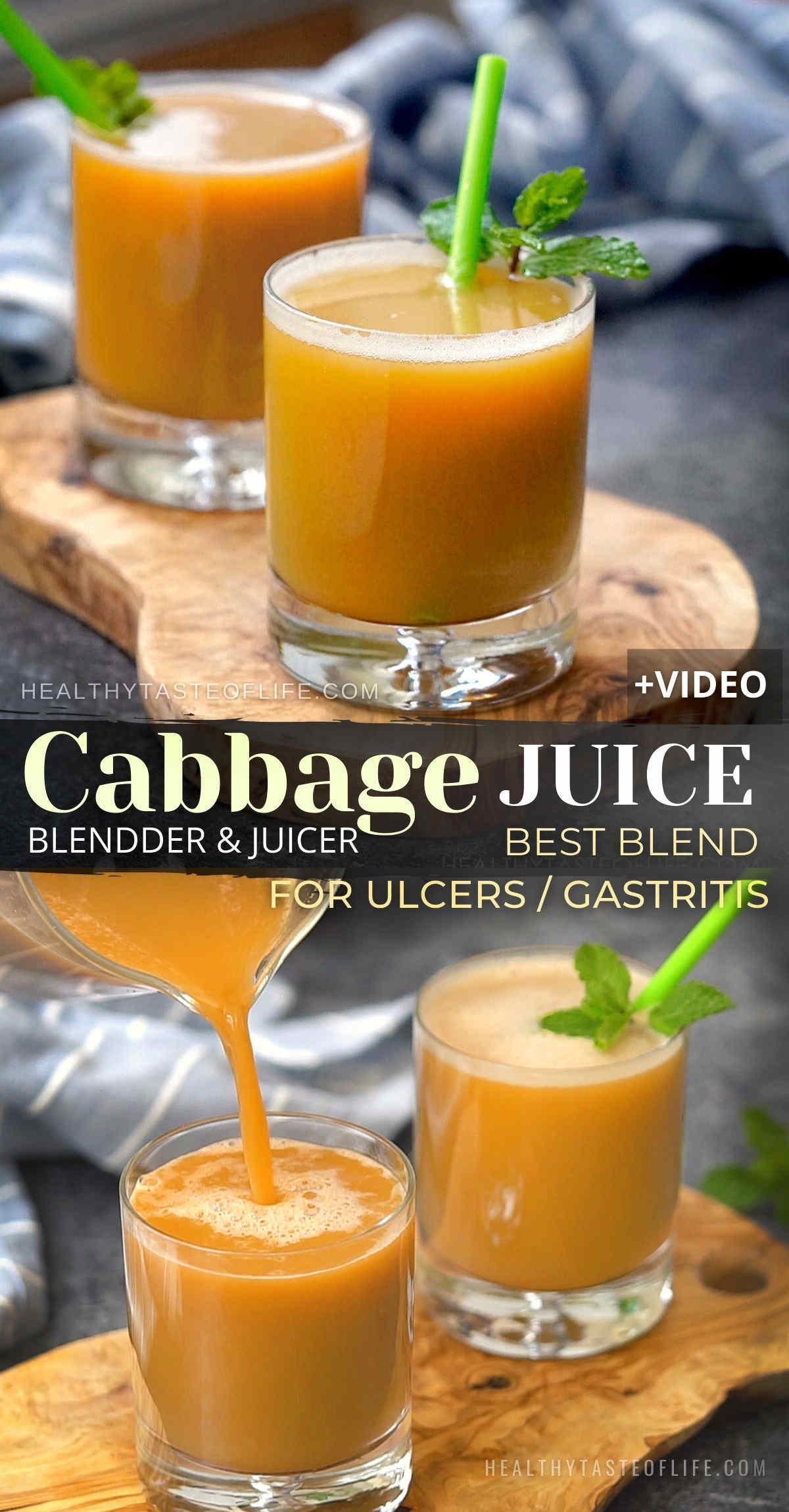
Pin it on Pinterest.
Disclaimer: The information, including but not limited to, text, graphics, images and other material contained on this website are for informational purposes only and should not be considered to be a specific diagnosis or treatment plan for any individual situation. Seek the direct advice of your own doctor if you have any questions or issues. Please refer to my full disclaimer for more info.
©HealthyTasteOfLife. Content and photographs are copyright protected and need prior permission to use. Copying and/or pasting full recipes to other websites and any social media is strictly prohibited. Sharing and using the link of this recipe is both encouraged and appreciated!

Gluten Free Dairy Free Cookbook
284 pages total: 128 gluten free and dairy free wholesome recipes with photos (including paleo, whole30 and vegan recipes: all without refined sugar and processed foods.
397
shares