Contains affiliate links; commissions may be earned.
As an Amazon Associate I earn from qualifying purchases.
Disclosure
Total Time:
15 minutes mins
Yields:
2 Total: 13.5 oz (400ml)
Recipe
Video
Rate/Comment
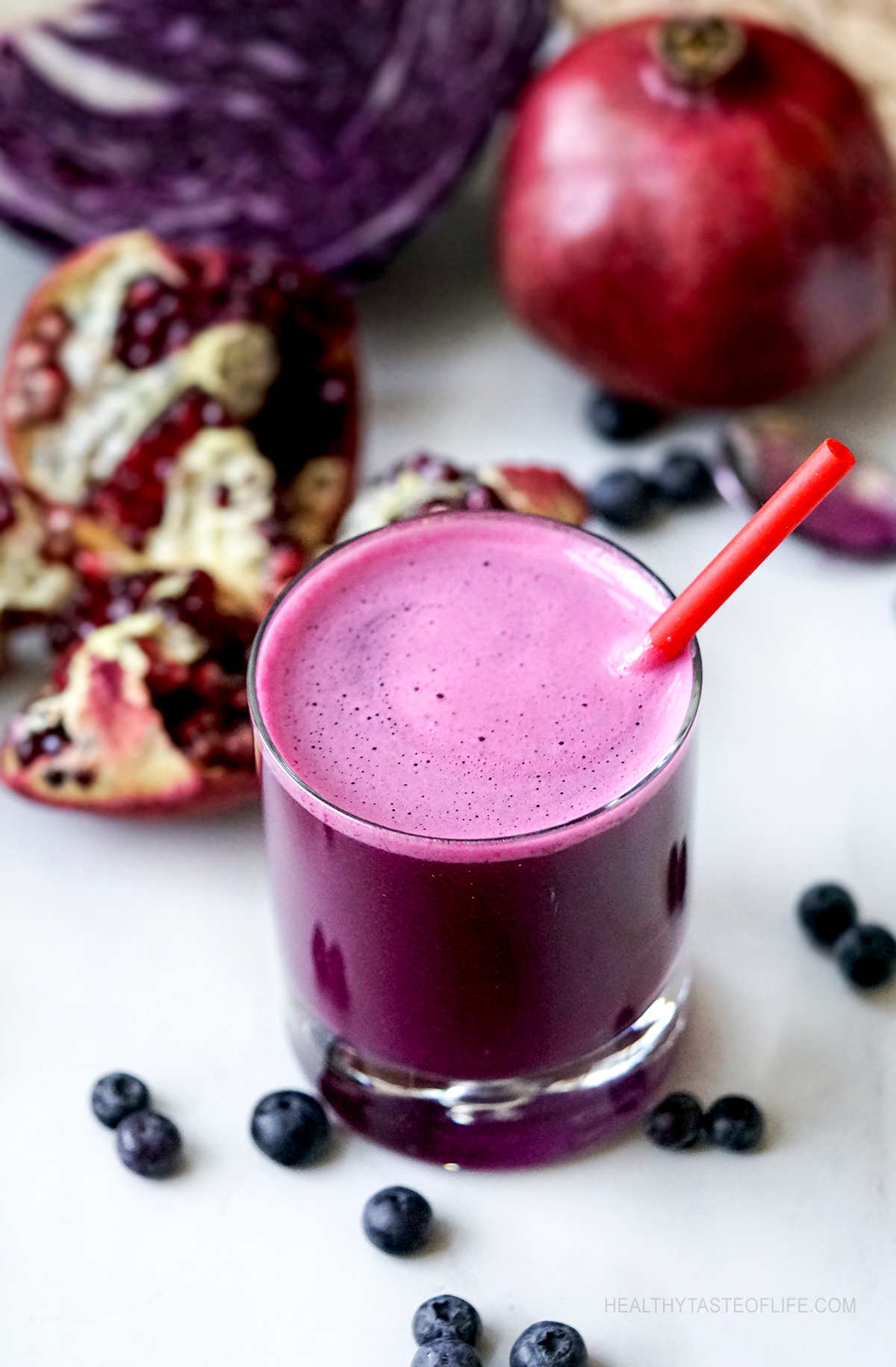
Often called “cancer juice”, this pomegranate, red cabbage, and blueberry juice is packed with antioxidants and polyphenols. Learn what the research really says, how to make it, and how to enjoy it as part of a plant-rich, cancer-supportive lifestyle.
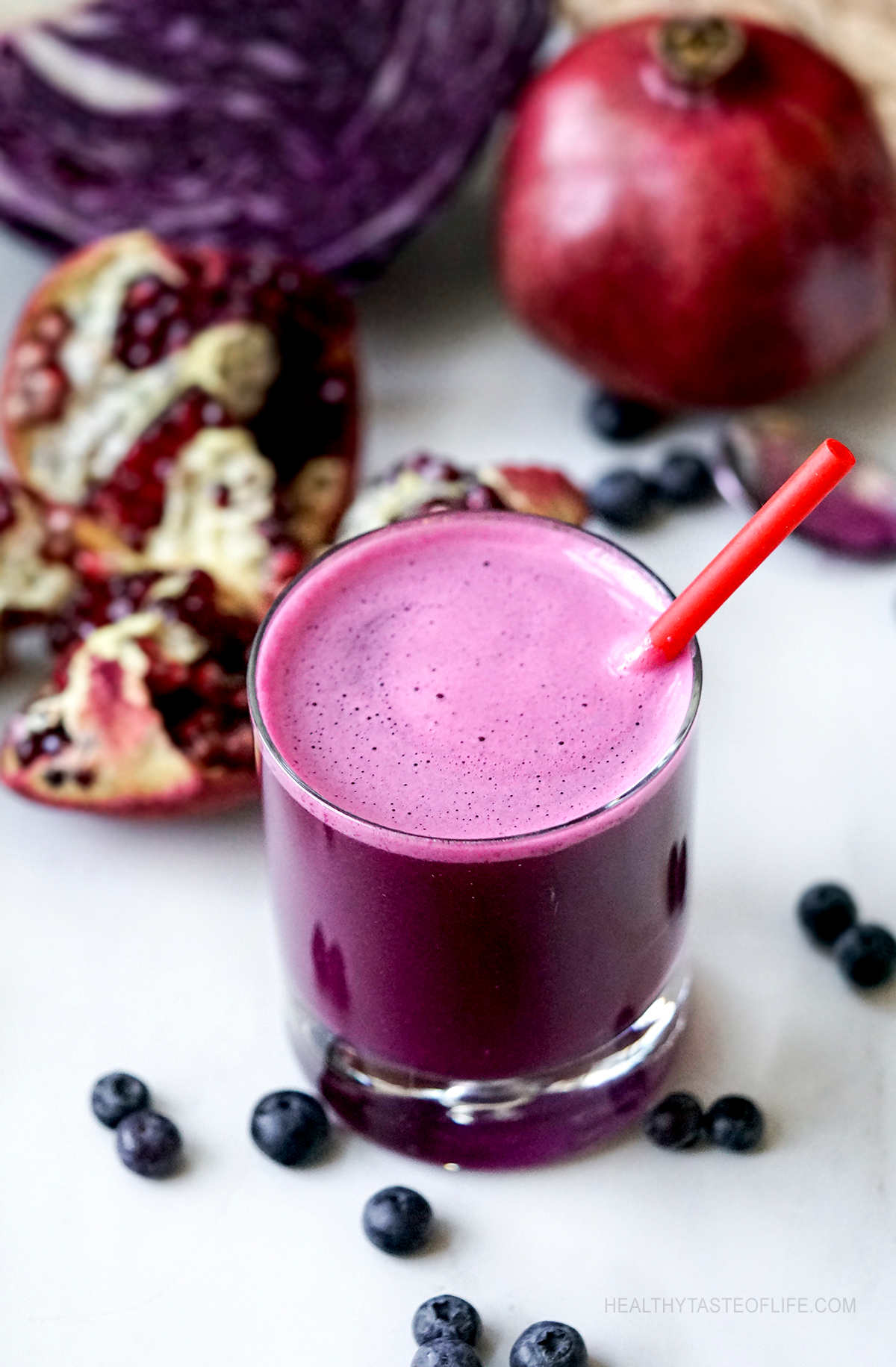
Antioxidant-rich ‘cancer juice’ made with pomegranate, red cabbage, and blueberries.
Table of Contents
- Why People Call It “Cancer Juice” (And What It Really Is)
- Why These Ingredients? (Evidence-Informed, Not Hype)
- What Influences How This Juice Works in Your Body
- VIDEO: How To Make This Juice (Pomegranate Cabbage Blueberry)
- How To Make The Juice: Steps & Tips
- Antioxidant “Cancer Juice” (Pomegranate Cabbage Blueberry)
- How To Use This “Cancer Juice” Safely
- FAQ: Antioxidant “Cancer Juice”
- More Juices To Try
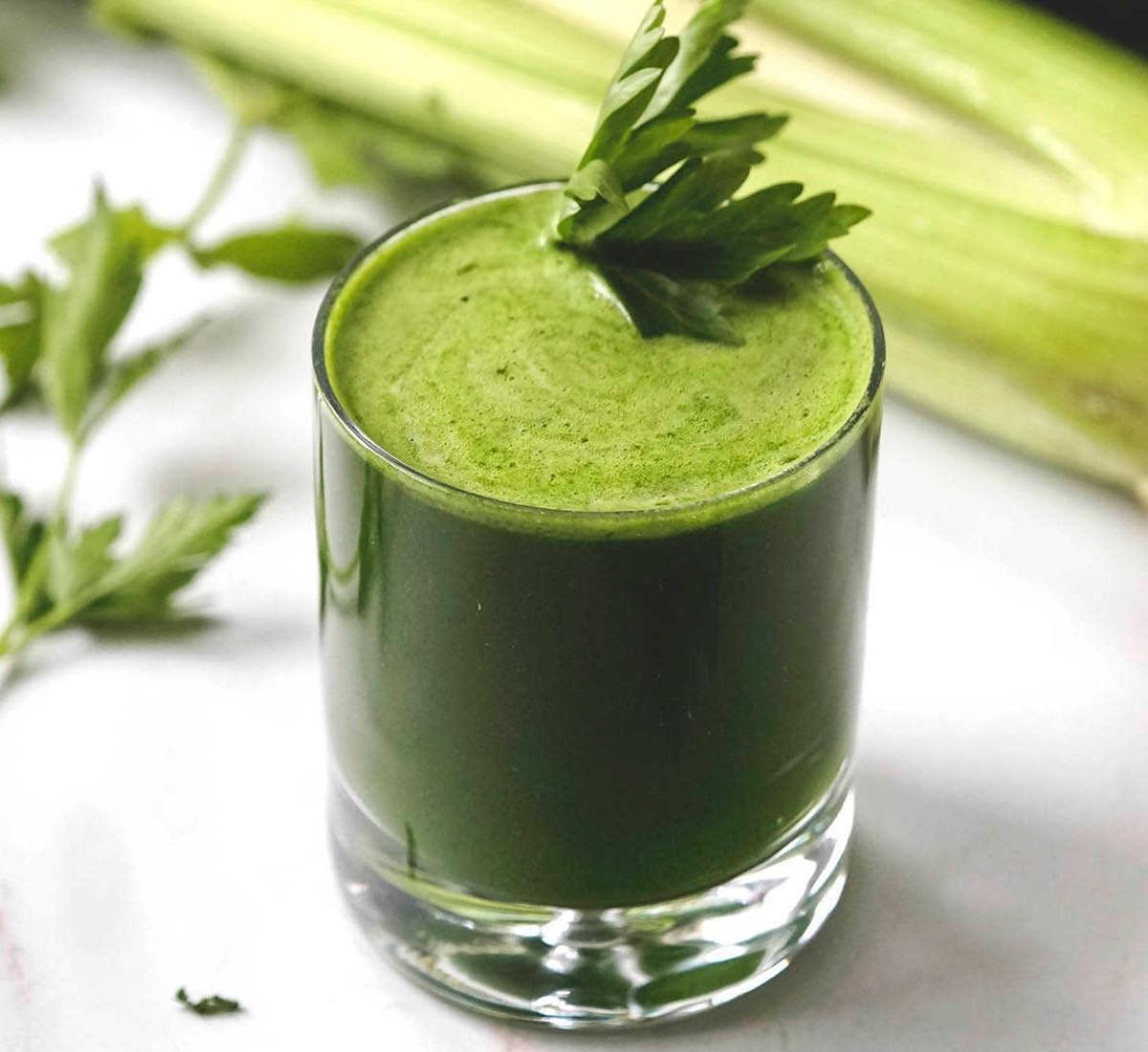
If you’re willing to try other red juices to support your immune system, make sure to check out this beetroot juice blend, this energizing pomegranate beetroot juice or try this simple green celery juice.
Why People Call It “Cancer Juice” (And What It Really Is)
You’ll often see this blend of pomegranate, red cabbage, and blueberries called “cancer juice” online because all three are rich in deep purple-red pigments, antioxidants, and polyphenols that are being studied for their potential protective roles in health, including cancer prevention.
I prefer to keep it honest.
This recipe is:
- a nutrient-dense, antioxidant-rich juice (adds more servings of phytochemicals and vitamins in your diet that in return may support overall health and immune function);
- a simple, palatable way to get more colorful produce in – especially for those going through a healing season or wanting something gentle on digestion;
- something that can complement a cancer-preventive way of eating and support overall health.
…but it is not a stand-alone cure or cancer therapy, it’s a nutrient-dense, food-based option for immune & cell support that you can enjoy alongside a broader plan you’ve created with your healthcare team.
Read more: Anti-inflammatory foods (+PDF List) + How To Build a Healthy Plate For Energy, Satiety & Long-Term Health.
Research on these ingredients focuses mostly on their compounds (polyphenols, anthocyanins, sulforaphane-type molecules) in lab and animal models. This recipe is an easy, food-based way to include them, but it does not act like a medical treatment on its own.
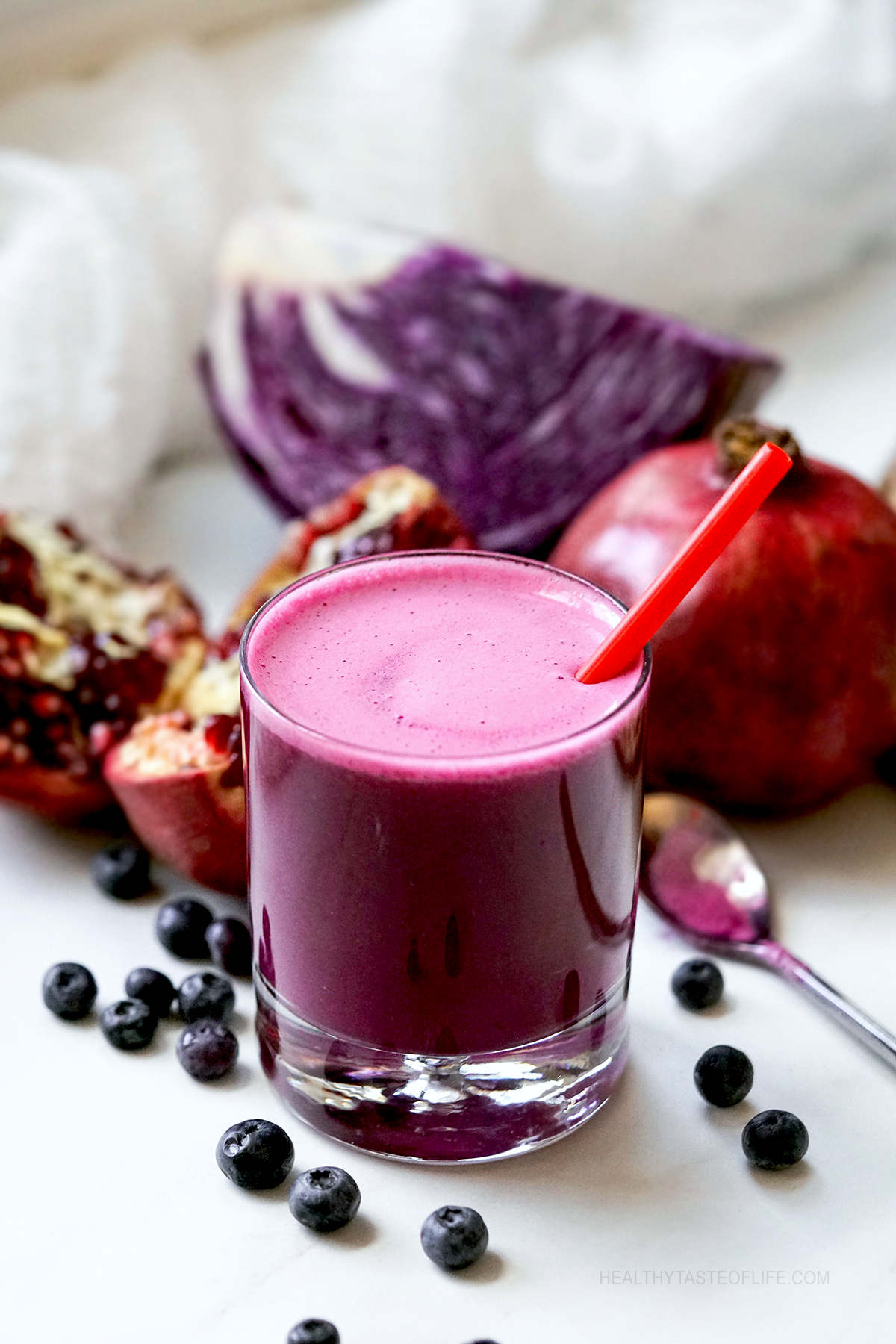
Immune booster juice rich in antioxidants.
Why These Ingredients? (Evidence-Informed, Not Hype)
Pomegranate
Pomegranate juice is rich in polyphenols (punicalagins, ellagic acid) with strong antioxidant and anti-inflammatory activity. Reviews and experimental studies suggest potential anticancer mechanisms (like influencing cell signaling, oxidative stress, and inflammation), especially in prostate and breast cancer models. But most of this is from lab and animal studies, or concentrated extracts.
What does it mean? Researchers often use isolated pomegranate compounds like punicalagin or ellagic acid at specific concentrations directly on cancer cells in a dish. That’s not the same as you drinking a glass of juice ocasionally. After digestion and metabolism, the actual active-compound levels in human blood are much lower and shorter-lived.
As for human trials, more often is used something like 8–12 oz (≈240–350 mL) pomegranate juice per day or standardized extracts, sometimes for weeks/months, and they look at markers (oxidative stress, PSA changes, etc. which they indeed improve), but not direct cancer/tumor elimination.
Red Cabbage
Red cabbage is a cruciferous vegetable packed with anthocyanins and sulfur-containing compounds. Observational and experimental data suggest crucifers may help support defense pathways involved in detoxification and cell protection, and anthocyanins are being explored for potential roles in chronic disease and cancer prevention.
Since the cabbage juice has been studied for its potential support the gut lining, the red cabbage in particular is even more rich in nutrients due to its pigmented color, and makes a perfect ingredient when making an anti-inflammatory juice.
In this juice: it adds plant compounds people often struggle to eat enough of in whole form. Plus the pungent taste of red cabbage is pleasantly offset by the sweet and sour pomegranate and blueberry flavor, yielding a beautiful red and magenta hued drink.
Note: Most of the anticancer data on red cabbage pigments comes from high-dose extracts in animals or cell studies, not from typical daily portions.
Blueberries
Blueberries are well known for their anthocyanins and polyphenols. Human and epidemiological studies associate regular blueberry intake with improved cardiometabolic markers and reduced oxidative stress; some research explores potential anti-cancer pathways.
In this juice: they deepen the color, gives a better flavor, and enhances the antioxidant profile.
How They Work Together (Realistic Synergy)
Together, pomegranate, red cabbage, and blueberries create a polyphenol-rich, anthocyanin-packed juice. Some lab work suggests that combining different plant compounds can have additive or synergistic effects on oxidative stress and cellular pathways, but this does not turn the drink into a miracle drug.
What Influences How This Juice Works in Your Body
The actual effect of drinking this juice will vary from person to person. How well your body uses these compounds depends on many factors: digestion and gut integrity, liver and detox capacity, overall inflammation level, the rest of your diet, how much and how often you drink it, and even your nervous system state.
Someone pairing this juice with a mostly whole-food, low-inflammatory diet and good sleep will likely experience different benefits than someone who is highly inflamed, under chronic stress, or relying on ultra-processed foods most of the time.
If your gut lining is compromised or your detox pathways are overloaded (← check the article), absorption can be less efficient, so changes may be slower or more subtle.
And when stress is constantly high and the body is stuck in “fight or flight,” digestion, repair, and nutrient uptake naturally take a back seat, another reason to support your stress regulation, mindset, and rest, not just add more “healthy” things on top.
VIDEO: How To Make This Juice (Pomegranate Cabbage Blueberry)
If you can’t see the video make sure to disable your ad-blocker and try again.
How To Make The Juice: Steps & Tips
Step-by-Step Process:
- Gather and Wash Your Ingredients:
- Rinse the purple cabbage leaves, pomegranate, and blueberries under cool running water.
- Pat them dry to remove excess moisture.
- Prep the Produce:
- Purple Cabbage: Slice into thin strips or small chunks. If you’re using a blender, chop it finely for easier blending.
- Pomegranate: Carefully remove the arils (the juicy seeds) by scoring the outer skin and gently prying it open. Discard the pith and peel.
- Blueberries: Ensure they’re free of stems or debris.
- Choose Your Method: To extract the juice you either use a slow masticating juicer or a blender. I found the taste more pleasant when using a juicer since the pomegranate seeds (arils) tend to exert a bitter flavor when crushed. But both work well.
- Juicer: If using a juicer, feed the cabbage, pomegranate arils, and blueberries through the chute, alternating small amounts of each for a smoother extraction.
- Blender: Combine all ingredients in a high-powered blender along with about ½ cup of water (or your preferred liquid) to help with blending. Blend until smooth, then strain through a fine-mesh cheese cloth if you prefer a less pulpy texture.
- Adjust to Taste:
- If it’s too sweet, add more cabbage or a small piece of cucumber to balance the taste.
- Serve and Enjoy:
- Pour the juice into a glass.
- Enjoy immediately for the best flavor and highest nutrient content. The taste itself is not bad, it’s actually pretty delicious. The only thing is you might want to cover your nose while drinking it, the cabbage smell is somewhat intense for some people.
- Store any leftovers in a sealed container in the refrigerator for up to 24 hours.
Antioxidant “Cancer Juice” (Pomegranate Cabbage Blueberry)
A vibrant purple juice made with pomegranate, red cabbage, and blueberries. Naturally rich in antioxidants and polyphenols, this “cancer juice” inspired blend is a simple way to support a plant-rich, cancer-conscious lifestyle. Enjoy it as part of a balanced diet and treatment plan, not as a stand-alone cure. Make it easily with a blender or juicer and enjoy it right away for the best effect.
Cook Mode
Prevent your screen from going dark
Prep Time
10 minutes mins
Cook Time
0 minutes mins
Juicing Time
5 minutes mins
Total Time
15 minutes mins
Course:
Beverage, Juices
Servings:
2 Total: 13.5 oz (400ml)
Calories:
186kcal
Author:
Olga Caz
Pin Recipe
Save Saved!
Ingredients 1x 2x 3x
- 2 large pomegranates – de-seeded
- ¼ medium red cabbage – (or purple cabbage)
- 1½ cup blueberries – or other berries
Optional
- Splash of lemon juice
- Small piece fresh ginger
Instructions
Prep the produce
- Prepare and wash the ingredients. Remove pomegranate arils. Rinse blueberries. Chop red cabbage into small chunks that fit your juicer (as shown in the video).
Juicer method
- Cut the cabbage into smaller chunks in order to fit in the juicer’s feeding tube. Use a cold press slow masticating juicer that will preserve the nutrients intact.
- Run all ingredients (alternating) through your juicer and enjoy the juice right away.
Blender + strain method
- Add all ingredients to a high-speed blender with a small splash of water. Blend until smooth. Strain through a nut milk bag or fine mesh sieve, pressing to extract the juice. Discard or repurpose the pulp.
Serve
- Pour into glasses and enjoy right away for best flavor and nutrient quality.
Store
- Refrigerate any leftover juice in a sealed glass jar for up to 24 hours. Shake or stir before serving.
What You Need
Video
Notes
- It’s important to use a berry” friendly” juicer, especially wen you opt for a slow masticating juicer. Blueberries have a soft pulp and the juice extraction is not optimal with a cheaper one. Most of the juice goes out with the pulp.
- This is a concentrated juice, naturally higher in fruit sugars and lower in fiber. Pair with fiber-rich meals (veggies, legumes, whole grains, seeds) to better support blood sugar balance.
- If you’re going through treatment or on medications, especially those metabolized by the liver, talk with your care team before adding large amounts of any concentrated juice regularly.
- Color may vary depending on your cabbage and berries, deep purple to magenta is normal.
Tried this recipe?Mention @HealthyTasteOfLife or tag #healthytasteoflife!
Nutrition
Serving: 400ml
|
Calories: 186kcal
|
Vitamin A: 2461IU
|
Vitamin C: 198.6mg
|
Calcium: 164mg
|
Iron: 3.99mg
The information shown is an estimate provided by an online nutrition calculator.
How To Use This “Cancer Juice” Safely
- Enjoy as part of a meal or snack, to increase your nutrient intake, not as your only source of calories. Pair with fiber-rich foods (salads, whole grains, nuts) since juicing removes most fiber.
- If you’re sensitive to blood sugar spikes, serve a small glass and pair it with protein, fat, and fiber.
- If you are in active treatment or on medication: check with your oncologist / healthcare provider, especially if you’re on warfarin, certain blood pressure meds, hormone therapy, or statins/medications used to lower cholesterols – as pomegranate may interact with some drugs.
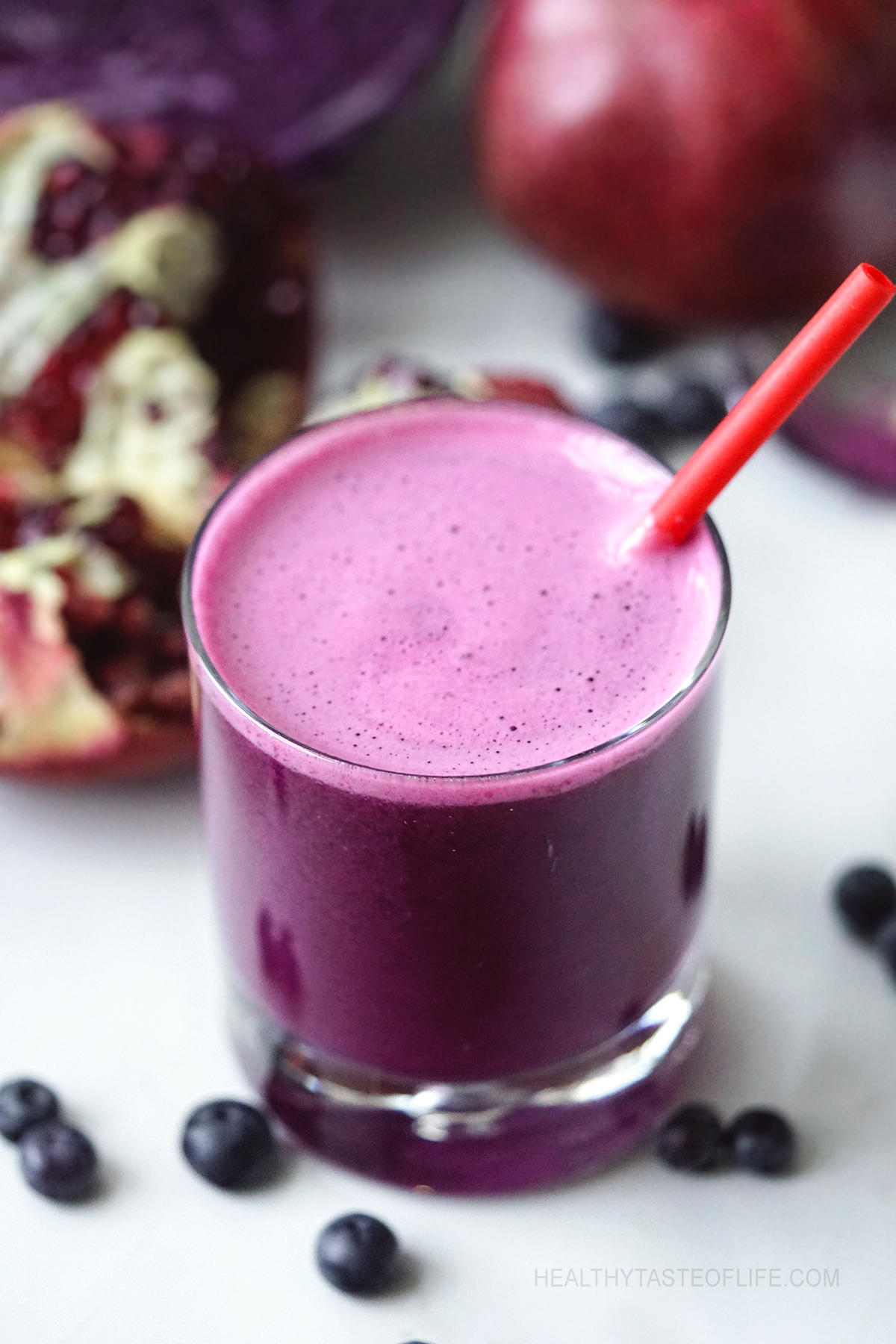
Red juice to boost immune system in a glass.
FAQ: Antioxidant “Cancer Juice”
Does this juice cure or treat cancer?
This recipe is not a single cancer treatment, it doesn’t influence tumors directly. It’s a nutrient-dense juice that can support body’s natural defense mechanisms (indirectly). It plays a part by being associated with lower cancer risk, but it’s not enough on its own as full therapy.
Is it good for people going through cancer treatment?
Yes, as a complementary way to add energy and antioxidants when appetite is low. But needs and benefits are individual (as I mentioned above). Check with your health care team, especially if you have any restrictions you need to be aware of.
How often can I drink it?
There’s no fixed rule. Many people enjoy a small glass (4 to 8 oz) a few times per week as part of their overall diet or daily if desired.
Can I make it without one of the ingredients?
Yes. You can: skip cabbage for a milder flavor, swap berries, or adjust ratios. Any colorful, plant-based version still counts as a supportive juice.
What about fiber? Isn’t juice “less healthy” than whole fruits/veggies?
Juicing removes most fiber. That’s why this is best seen as a complement, not a replacement for whole fruits and vegetables. Pair it with fiber-rich meals.
Tip: also its’s important to use a berry-friendly juicer, especially when you opt for a slow masticating juicer. Blueberries have a soft pulp and the juice extraction is not optimal with a cheaper one. Most of the juice goes out with the pulp. Alternatively you can squeeze the blueberries by hand with a cheese cloth and add it later to the pomegranate and cabbage juice.
Tried This Juice Recipe? I’d love to hear how it turned out! Tap ⭐⭐⭐⭐⭐ to rate it or leave a quick comment below! your feedback helps other readers (and keeps me creating new treats).
More Juices To Try
Immune Booster Juice With Carrot Orange Ginger
Cabbage Juice for Ulcers & Gastritis: Recipe (Blender / Juicer) Benefits + Tips
Beetroot Juice Recipe (2 Ways) + Best Combinations
Anti-inflammatory Juice Recipe for Whole Body Health (Low Sugar)
- Carrot Juice Recipe + Benefits Of Juicing Carrots
- Celery and Pineapple Juice Recipe: A Nutrient-Packed Blend
- 4 Anti-Inflammatory Green Smoothie Recipes
- Natural Colon Cleanse And Liver Detox Smoothie
Disclaimer: This information is for educational purposes only and reflects my experience as a recipe developer and Integrative Nutrition Health Coach. It does not provide medical advice, diagnosis, or treatment, and is not a substitute for guidance from your oncology or healthcare team. Always consult your clinician before making significant changes to your diet during or after cancer treatment. Please refer to my full disclaimer for more info.

Pin It For Later!
©HealthyTasteOfLife. Content and photographs are copyright protected and need prior permission to use. Copying and/or pasting full recipes to other websites and any social media is strictly prohibited. Sharing and using the link of this recipe is both encouraged and appreciated!
479
shares